



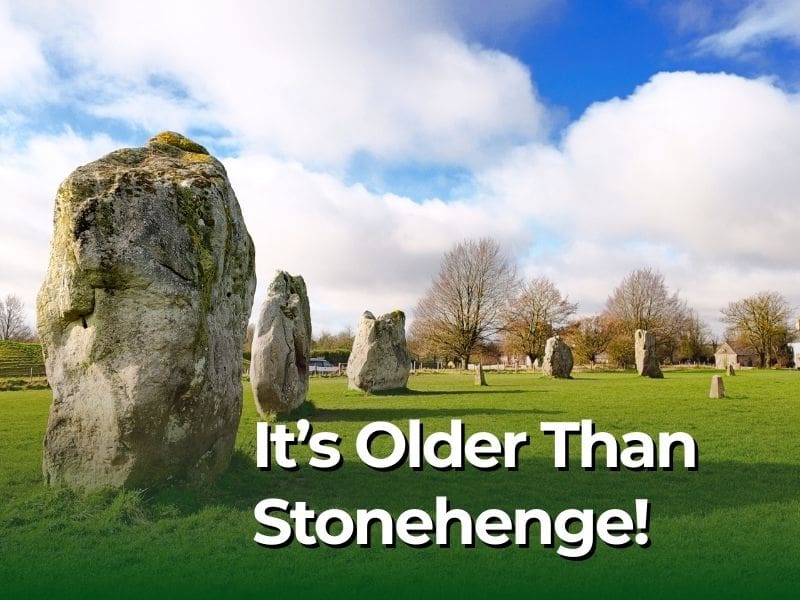
In this episode of The Anderson Tours Podcast, we explore Avebury Stone Circle in Wiltshire — a prehistoric monument that is older and bigger than Stonehenge.
Through a relaxed, light-hearted conversation, we look at what makes Avebury so unique, from its unusual layout and village setting to the myths, stories and ideas around its purpose. Along the way, we share practical tips for visiting and explain why this ancient site still feels special today.
Avebury Stone Circle, Bigger Than Stonehenge!
Edited Transcript: Avebury Stone Circle
This transcript has been lightly edited for clarity and readability.
Richard:
Hello, my name is Richard.
Kirsten:
And my name is Kirsten.
Richard:
Hi Kirsten. Today we’re going to talk about Avebury Stone Circle and the wider prehistoric landscape around it. Think of this as a relaxed Avebury Stone Circle chit-chat.
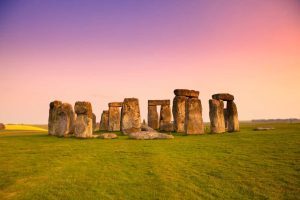
Quick question to start — when people think about visiting a famous monument outside London, the household name is usually Stonehenge, isn’t it?
Kirsten:
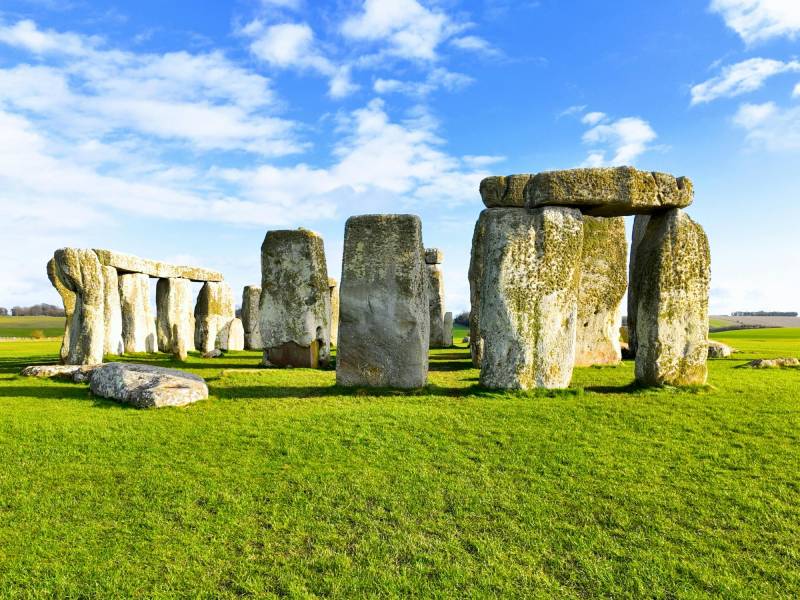
It definitely is. Stonehenge is the big, famous one. But not too far away, in Wiltshire, you have Avebury Stone Circle, which is another major stone circle. That whole area of south-west England is full of Neolithic monuments.
There are hundreds of sites across Wiltshire, and possibly more still undiscovered. You could easily have a full day exploring prehistoric Britain in that part of the country.
Richard:
So Stonehenge isn’t the only standout monument — Wiltshire really is monument central.
Kirsten:
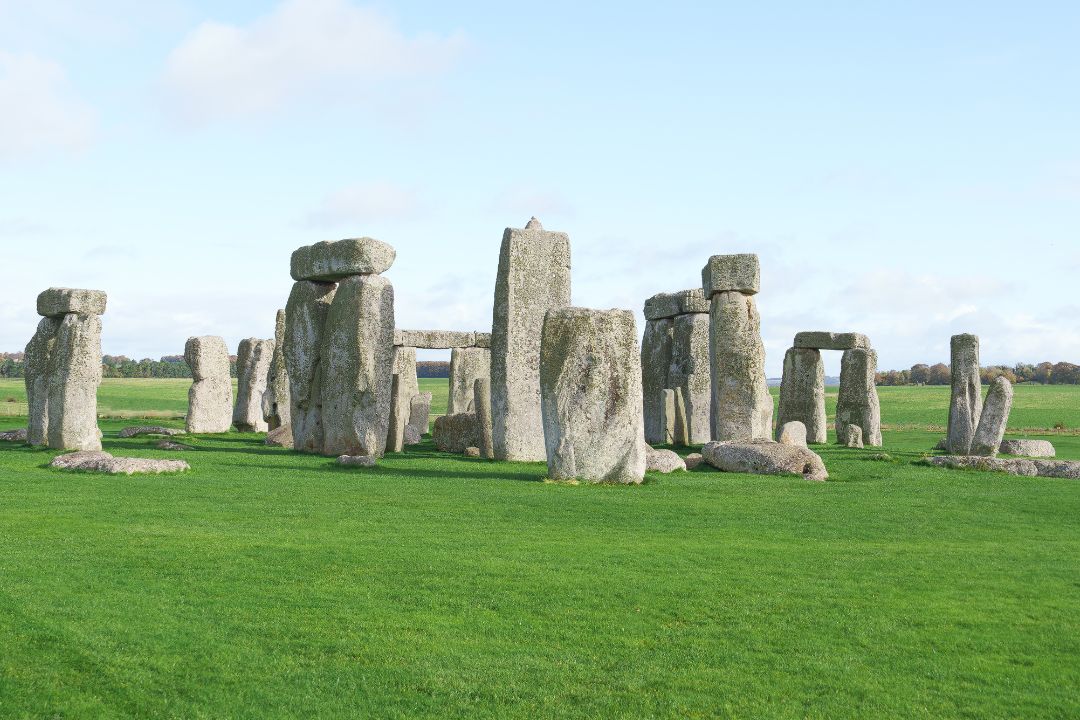
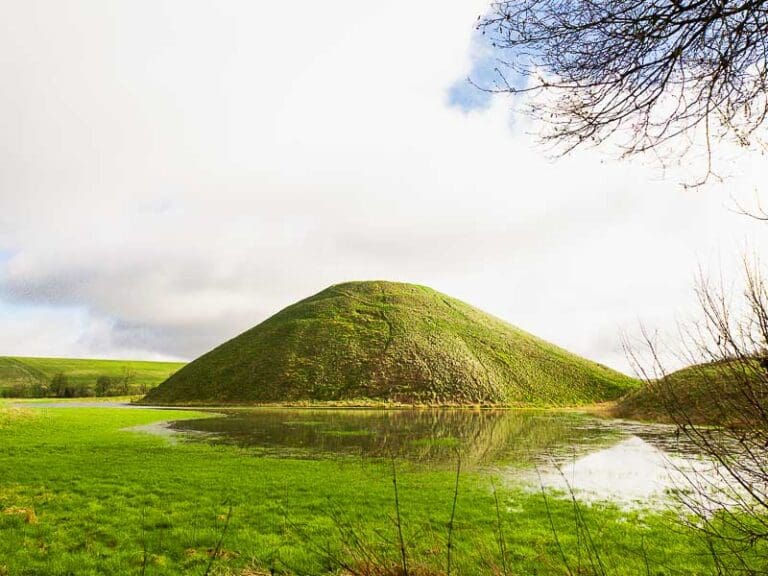
Exactly. You’ve got Avebury, West Kennet Long Barrow, Silbury Hill, Stonehenge, and then many smaller burial mounds and features around them. People often talk about the Avebury landscape or the Stonehenge landscape because these monuments are all connected. Stonehenge itself is impressive, but when you look across the surrounding horizon, you’ll see burial mounds and other earthworks that form part of a much bigger prehistoric picture.
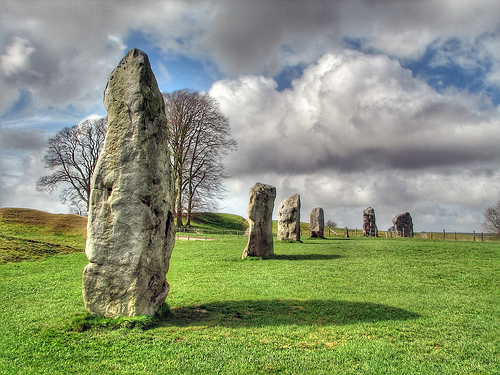
Avebury Stone Circles
Sarsen Stone
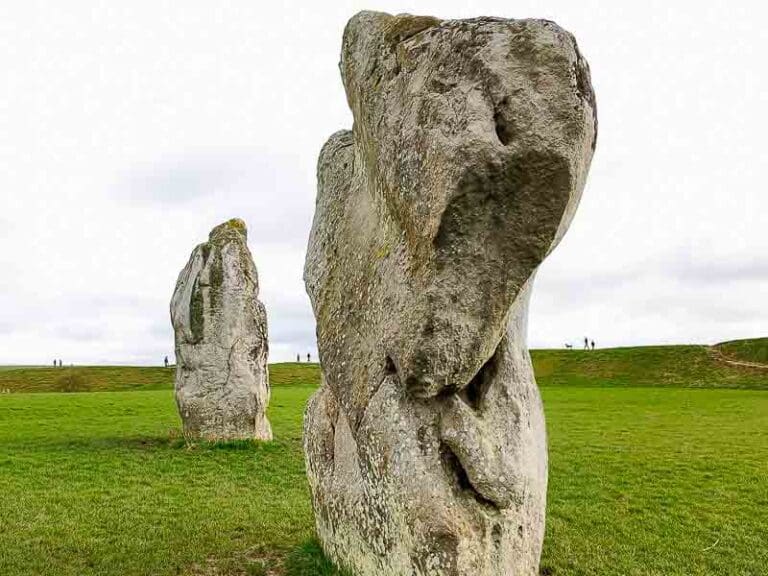
Avebury Stone Circles
Outer stone circle
Avebury Stone Circles
Outer stone circle
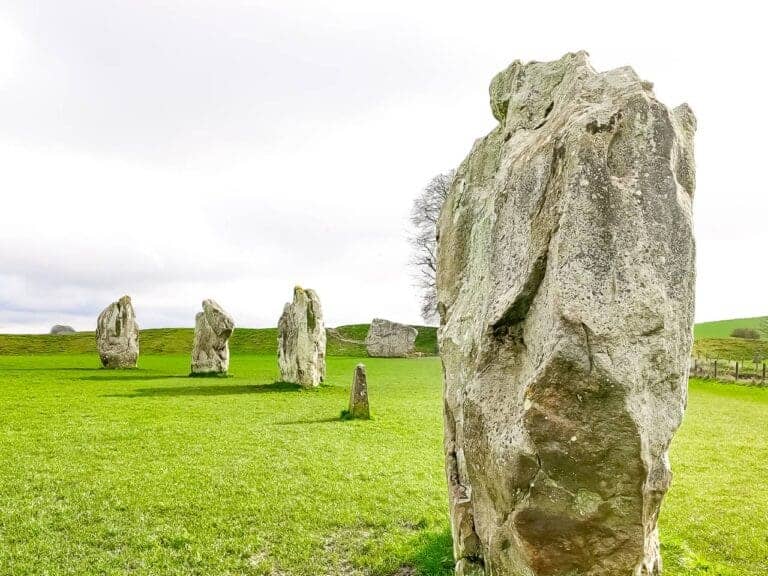
What Makes Avebury Stone Circle Different from Stonehenge?
Richard:
To help listeners picture the Avebury Stone Circle, what really sets it apart from Stonehenge?
Kirsten:
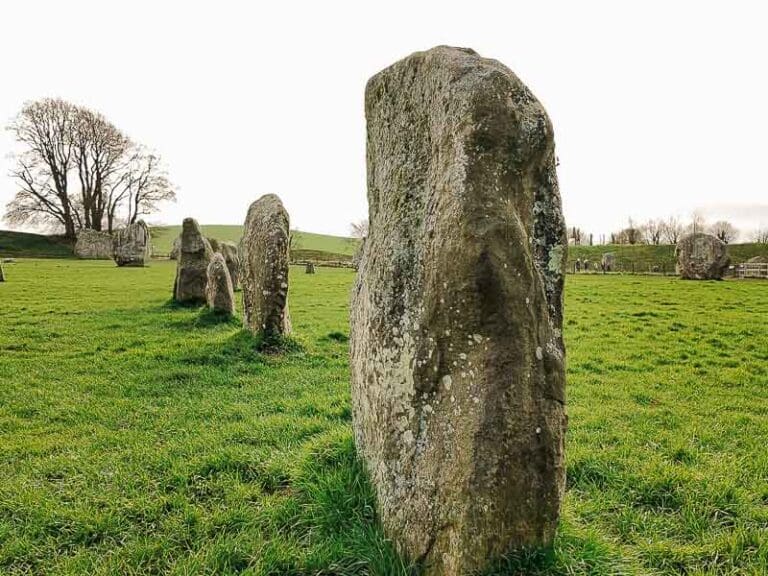
Avebury Stone Circle is around 14 times bigger than Stonehenge. It has a huge circular bank and ditch, divided into four quadrants, with stone avenues leading into it. Over 100 stones were originally used. But what really makes Avebury unique is that it’s combined with a living village. Houses, roads, and even a pub sit right inside the stone circle. You can walk freely among the stones, touch them, and explore the site at your own pace. People interact with the stones in all sorts of ways — some touch them, some sit beside them, some even take their shoes off. It feels much more open and accessible than Stonehenge.
Richard:
That’s exactly what struck me. At Stonehenge, you’re kept at a distance. At Avebury, you can walk right up to the stones and experience them up close. And Avebury Stone Circle is thought to be older than Stonehenge, right?
Kirsten:
Yes. Archaeologists can’t date the stones themselves, but they can carbon-date organic material found in the ditches and pits around them. That evidence suggests Avebury was built earlier than Stonehenge. Many believe it was linked to fertility rituals or ceremonial gatherings.
Who Built Avebury Stone Circle?
Richard:
So who built Avebury Stone Circle — was it hunter-gatherers?
Kirsten:
It was built by Neolithic farming communities. The earlier hunter-gatherers belonged to the Mesolithic period. By the Neolithic, people were farming and living in small tribes across the countryside.
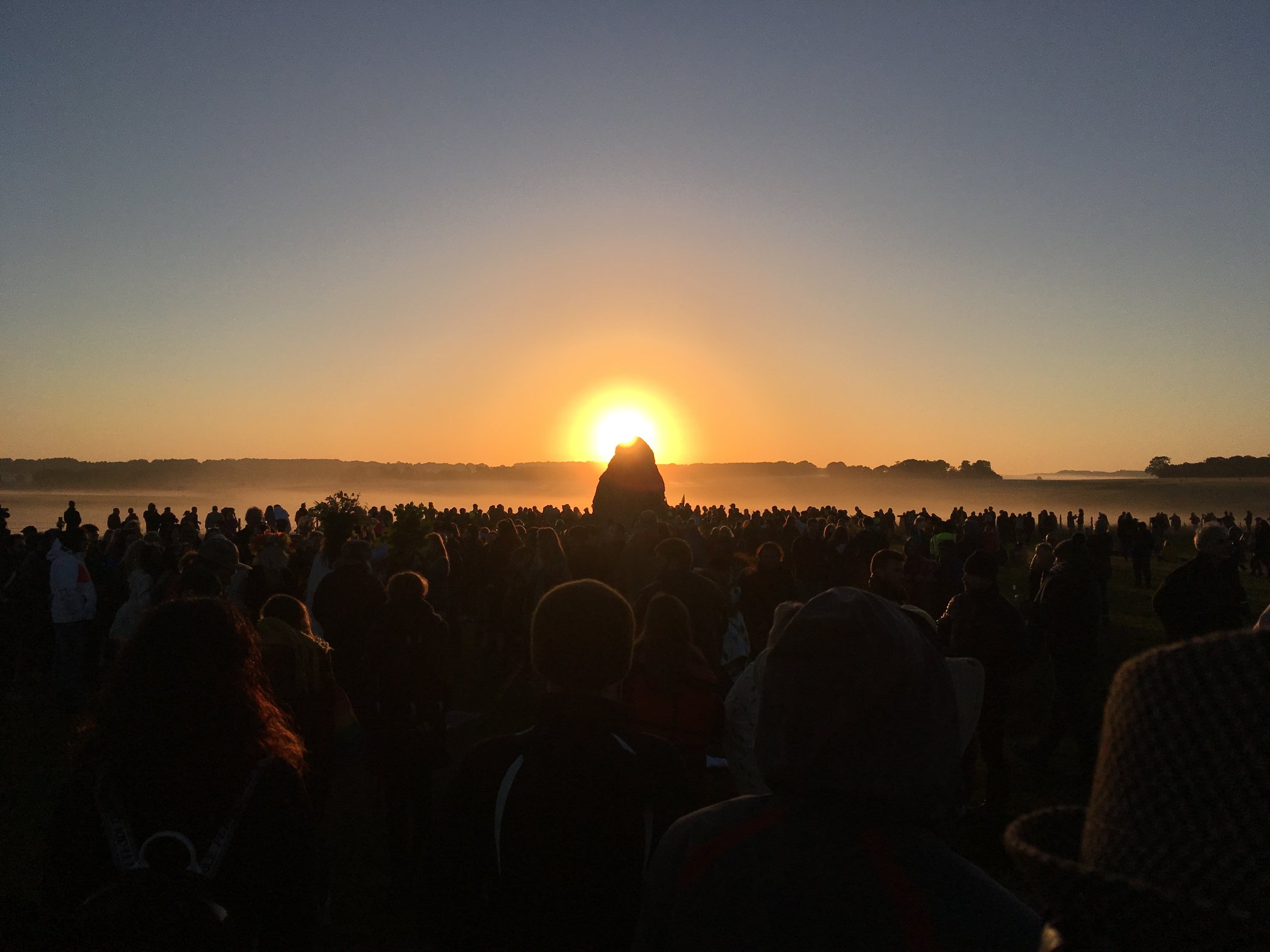
These stone circles were likely places where communities gathered. We know that ceremonies at sites like Stonehenge could last days or even weeks. People would travel long distances, stay nearby at places like Durrington Walls, and take part in rituals, trade, socialising, and forming alliances.
The Layout and Symbolism of Avebury Stone Circle
Richard:
The layout of Avebury Stone Circle is fascinating — four quadrants, stone avenues, and different types of stones.
Kirsten:
Yes, although many of the avenue stones are now missing, you can still trace their routes. Inside the circle, one area once held a tall standing stone known as the Obelisk, while another contains a stone cove — three large stones arranged in a horseshoe shape. Some archaeologists and historians think these areas may represent masculine and feminine symbolism, which ties back to ideas about fertility and seasonal rituals.
Richard:
There are also myths linked to the stones, aren’t there?
Kirsten:
There are. Some people believe ley lines pass through the site, and visitors sometimes bring dowsing rods to sense energy in certain areas. These ideas sit more in folklore and belief than archaeology, but they’re part of what gives Avebury its mystical reputation.
Why Avebury Is Considered a Ceremonial Site
Richard:
Does the archaeology help us understand Avebury Stone Circle’s purpose?
Kirsten:
Yes. Avebury is what archaeologists call a “clean site.” When excavations take place within the stone circle, they don’t find everyday waste. That suggests it wasn’t a place where people lived.
Nearby sites like Windmill Hill, however, contain everyday items such as food remains, tools, and other evidence of daily life. This contrast suggests Avebury was reserved for ceremonies or rituals rather than domestic use.
How Was Avebury Stone Circle Built?
Richard:
The tools used to build these monuments are incredible.
Kirsten:
They really are. People used deer antlers as picks and cattle shoulder blades as shovels. The cattle at the time — known as aurochs — were far larger than modern cows, making their bones incredibly strong tools. Seeing an auroch skull next to a modern cow skull really shows the scale of what they were working with.
From London: Stonehenge & the Stone Circles of Avebury
From £114
Explore the most visited Stone Circles in the UK on this small group tour! See West Kennet Long Barrow, a large Neolithic tomb and Silbury Hill, the tallest prehistoric man-made mound in Europe. Enjoy lunch at your expense at the Red Lion pub in Avebury.
Visiting Avebury Today
Richard:
For anyone planning a visit, what advice would you give?
Kirsten:
Wear weather-appropriate clothing and comfortable shoes — you’ll be walking a lot. The views from the top of the bank are fantastic for photos, and you’ll spot the Red Lion pub in the village, which is a great place for lunch. Local farmers are sometimes allowed to let sheep graze within the stone circle, so you’ll see stones, village life, and livestock all in one place. It’s very rural and unlike anywhere else in England.
Avebury as Part of a Day Trip from London
Richard:
Avebury is part of one of our day trips, alongside West Kennet Long Barrow and Stonehenge.
Kirsten:
Yes, it’s one of my favourite routes. You spend around an hour and a half at Avebury, which gives you time to explore freely. When you visit the sites in sequence, the story of prehistoric Britain really starts to come together.
Richard:
So it’s almost like a full Neolithic or prehistoric day out.
Kirsten:
Exactly.
Closing
Richard:
Thanks so much for listening to this first episode. Let us know what you enjoyed, what surprised you, and what you’d like us to cover next.
Kirsten:
Thanks for joining us — and enjoy exploring Britain’s ancient past.
Subscribe!
Get regular updates and discount codes to share with travel mates.
Day trips from London & Private Group Tours
Join us on popular day trips from London and ditch the travel planning to focus on attractions you want to see. Learn about our Private Group Tours also!